

Last Updated on October 23, 2025 by courtnews reporter
Auditor General Exposes Sh77 Million Legal Fees Scandal at Social Health Authority
The Auditor General’s report has unearthed staggering levels of corruption, waste, and mismanagement at the Social Health Authority (SHA), exposing how millions meant for healthcare were squandered in dubious transactions.
Covering the 2021–22 to 2023–24 financial years, the report details how the Authority spent Sh77 million in legal fees to recover a mere Sh13 million, sparking outrage among Members of Parliament and the public.
SHA Spends Sh77 Million to Recover Sh13 Million
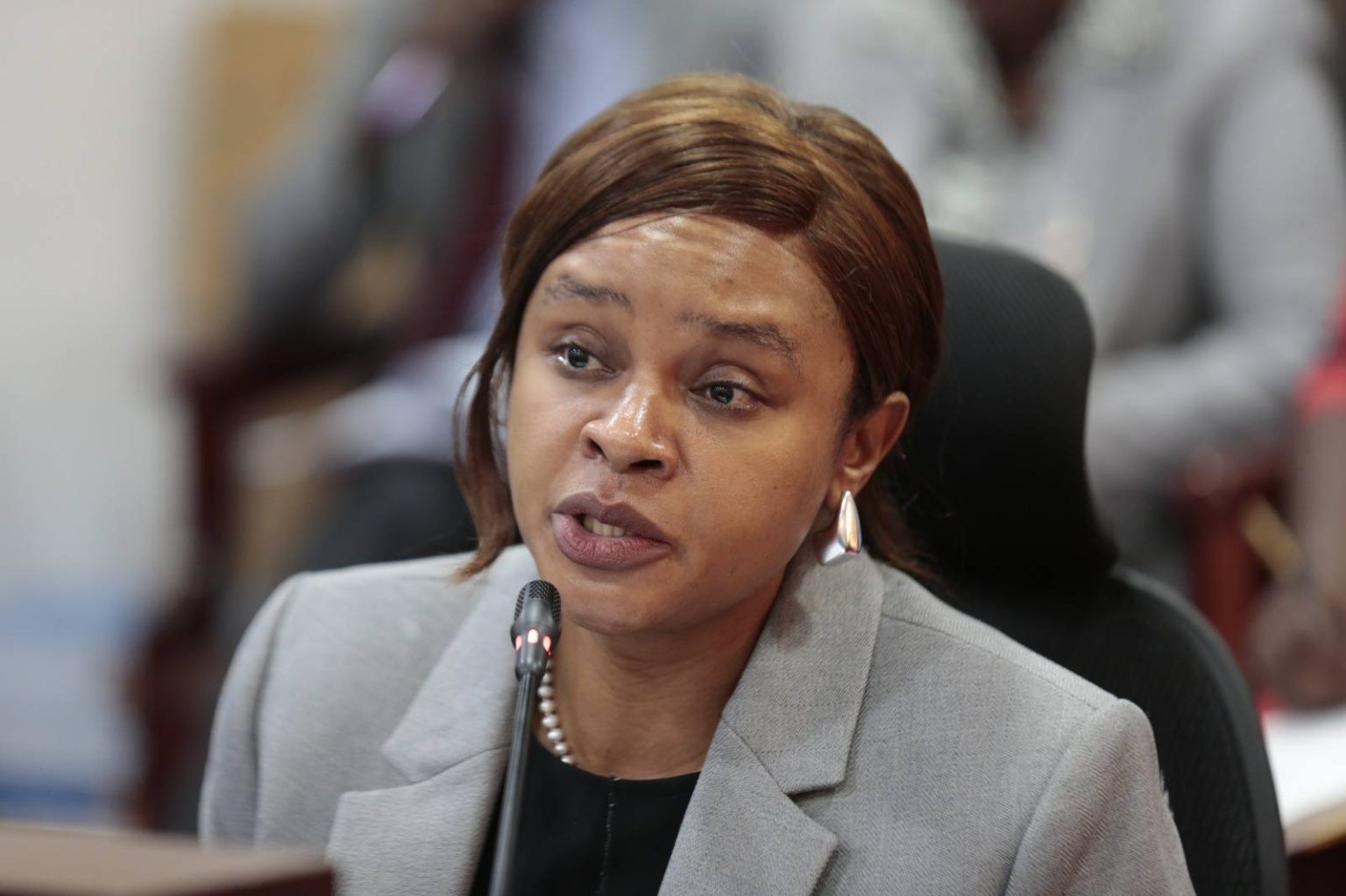
The revelations came to light on Wednesday when SHA officials, led by CEO Dr. Mercy Mwangangi, appeared before the Public Investments Committee (PIC) at Parliament Buildings.
According to the Auditor General, SHA paid Sh91.6 million in legal fees to recover just Sh13.9 million, an excess of over Sh77.6 million. MPs described the waste as a “betrayal of public trust” and demanded accountability.
“Where is the value for money when you pay Sh77 million to collect Sh13 million?” asked Navakholo MP Emmanuel Wangwe, the PIC chairperson.
Unaccounted Board Payments and Inflated Projects
The audit also revealed that SHA board members pocketed Sh5.83 million in sitting allowances without any proof of attendance or minutes. No attendance registers. No documentation.
Ndhiwa MP Martin Peters Owino condemned the spending, saying:
“This means many deserving Kenyans were denied medical care while officials enriched themselves.”
Even more shocking was the revelation surrounding the multi-storey car park project, initially budgeted at Sh909 million but later ballooning to Sh3.97 billion — a 337% escalation. Despite orders for investigation by the Ethics and Anti-Corruption Commission (EACC), no progress report has been filed to date.
MPs Slam Excuses and Demand Accountability
Saboti MP Caleb Amisi, the committee’s vice chairperson, dismissed SHA’s attempt to blame Covid-19 for the audit irregularities.
“That excuse is tired. Every corrupt institution blames Covid,” he said sharply.
Nominated MP Bishop Kosgei went further, blasting the Authority’s finance department for stonewalling auditors.
“The Finance Director has let down the CEO and the entire institution by refusing to cooperate,” he said.
CEO Mwangangi Blames Defunct NHIF, Promises Reforms
On her part, Dr. Mercy Mwangangi claimed the Authority had inherited problematic records and liabilities from the defunct National Health Insurance Fund (NHIF).
“We are committed to transparency and accountability. Significant reforms are ongoing to correct historical weaknesses,” she said.
However, MPs were unconvinced, directing SHA to produce all missing documentation and evidence of EACC cooperation in the stalled car park investigation.
A Pattern of Mismanagement and Erosion of Trust
The report paints a grim picture of an institution crippled by incompetence and greed. As millions of Kenyans struggle to access healthcare, SHA appears to have turned into a playground for corruption, mirroring the scandals that crippled its predecessor, NHIF.
Ordinary Kenyans — many of whom contribute to health insurance every month — now face higher costs, longer queues, and dwindling faith in public healthcare institutions.
“The real victims are patients,” said one committee member. “Money that should buy medicine or fund hospitals is vanishing into lawyers’ pockets and board allowances.”
The Bigger Picture: A Broken System
The SHA scandal underscores Kenya’s chronic failure to safeguard public funds within health institutions. Despite numerous reforms and anti-graft pledges, mismanagement remains endemic.
Analysts warn that without prosecutions and systemic reform, the Authority risks going the same way as NHIF — another “reformed” institution swallowed by scandal.
Kenya Court News Today – Live High Court & DPP Updates click here 👉 /kenya-court-news-today