
KTDA Directors Under Fire as PS Paul Ronoh Exposes Massive Corruption and Nepotism Scandal

Last Updated on October 23, 2025 by
A new storm is brewing in Kenya’s tea sector, where a government audit has uncovered a shocking tale of greed and exploitation at the Kenya Tea Development Agency (KTDA).
According to recent reports, some KTDA directors are attending between 110 and 165 meetings every year, pocketing Sh50,000 per sitting. This translates to an astonishing Sh5.5 million to Sh8.25 million per director annually, siphoned from the very farmers they claim to serve.
PS Paul Ronoh Exposes a System of Greed
Principal Secretary for Agriculture Dr. Paul Ronoh has condemned the revelations, describing KTDA as an agency “infiltrated by crooks.” Speaking during a tense confrontation with directors in Kericho County, Ronoh accused them of turning the agency into a personal ATM while farmers sink deeper into poverty.
“KTDA was well-structured, but it has been infiltrated by crooks that have raised operation costs in factories that negatively affect farmers’ earnings,” he said.
Dr. Ronoh issued a direct ultimatum to the directors: raise tea prices by at least Sh30 per kilogram or face immediate removal from office.
Nepotism, Cronyism and Bloated Payrolls
The PS further revealed that KTDA has become a family business, where directors hire relatives and friends, bloating factory payrolls and burdening operations. Each election cycle reportedly brings waves of new hires, cementing power networks within factories and regional boards.
“Every election, new directors rush to employ their relatives. It’s no longer about farmers—it’s about family business,” Ronoh lamented.
This nepotism has crippled efficiency, pushing operational costs up while bonus payments to farmers continue to fall.
Farmers Left Penniless as Directors Cash In
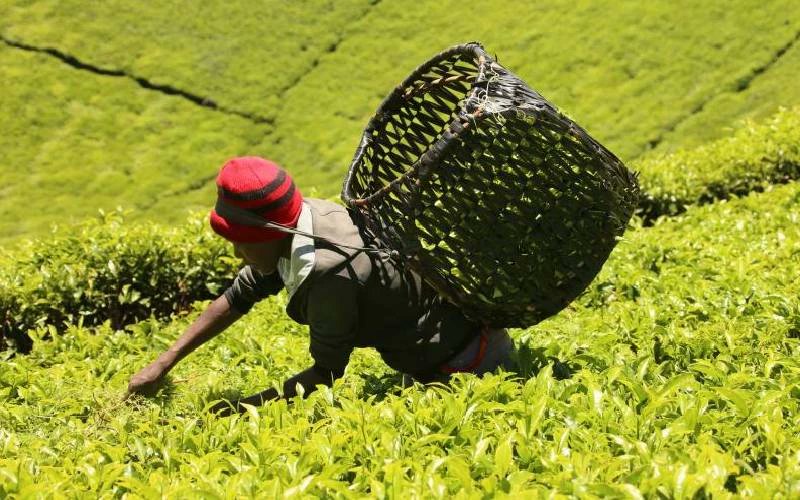
The 680,000 small-scale tea growers who supply KTDA-managed factories are the biggest losers in this scandal. While directors earn millions from allowances, farmers’ bonuses have shrunk to historic lows.
“We work day and night for crumbs, while they hold endless meetings to pay themselves,” said one frustrated farmer in Bomet.
The math tells the story: a KTDA director attending 165 meetings earns Sh8.25 million annually; a typical smallholder barely earns a fraction of that for an entire year’s harvest.
Corruption Cases and Firings at Chai Trading
The rot isn’t confined to KTDA headquarters. At Chai Trading, a KTDA subsidiary, 18 employees were sacked for alleged fraud that further hurt farmers’ earnings.
Dr. Ronoh vowed that such purges will extend to other KTDA entities, warning that the government will not tolerate the misuse of farmers’ money.
KTDA Directors Push Back
KTDA directors, led by John Mithamo Wa Susana (Zone 5) and Philip Langat (Zone 8), have hit back, calling the accusations “political theatrics.” They claim that the government is scapegoating them for policy blunders — especially the removal of the reserve price at the Mombasa Tea Auction in August 2024.
“When the reserve price dropped from $2.4 to $1.4 per kilogram, factories began struggling to break even,” one director said anonymously.
KTDA Chairman Chege Kirundi added that a stronger Kenyan shilling also reduced revenue, as tea prices remained stable internationally while conversion rates fell from Sh144 to Sh129 per dollar.
Government Calls Their Bluff
PS Ronoh has dismissed these explanations, insisting that exchange rates and market policy cannot justify greed and waste.
“We will not hold any more consultative meetings. The issues are known. If directors must go, they will go,” he declared.
He warned that the ministry is prepared to dissolve KTDA boards that continue exploiting farmers and ignoring government directives.
The Real Victims: Kenya’s Smallholder Farmers
Lost in this war of words are the people who matter most — the farmers.
They are the backbone of the Sh150 billion tea industry, yet they endure low bonuses, rising costs, and persistent exploitation.
Many have lost faith in reforms that seem to benefit only the powerful. Their demand is simple: a fair return for their labour.
“All we want is justice. Let them stop using our sweat to pay for their meetings,” said a grower from Kericho.
A Sector at a Crossroads
The confrontation between government and KTDA directors signals a defining moment for Kenya’s tea industry. Either the reforms championed by Dr. Ronoh will finally take root — or farmers will continue to suffer under a system designed to exploit them.
With tensions escalating, one thing is clear: the era of endless allowances and fake board meetings must end if the sector is to survive.