

Last Updated on September 30, 2025 by courtnews reporter
The Siaya County Public Service Board (CPSB) and its Chief Executive Officer Wilfred Ouma Nyagudi are under intense scrutiny following the exposure of a massive recruitment scam that defrauded hundreds of job seekers of millions of shillings. The scandal has left critical health facilities in Siaya severely understaffed, sparking a healthcare crisis and raising questions about corruption, oversight, and accountability in Governor James Orengo’s administration.
How the Recruitment Scam Unfolded
On September 11, 2025, over 380 health workers were dismissed after serving up to eight months without pay, only to learn that their appointment letters were forged.
The elaborate scheme appears to have exploited the aftermath of a December 2022 legitimate recruitment drive, which attracted 21,772 applicants for only 380 advertised positions. While CPSB insists it hired only 120 legitimate staff, hundreds of desperate job seekers were duped into paying bribes ranging between Sh250,000 and Sh500,000 for fake letters.
Victims say the documents bore official county logos, reference numbers, and signatures, making them indistinguishable from genuine letters. Some even received acknowledgment letters from health administrators, legitimizing their presence in facilities.
Inside the Fraudulent Syndicate
Investigations point to a well-coordinated criminal syndicate involving county insiders, M-Pesa agents, and security officers who allegedly provided protection for the scam.
One victim shared proof of Sh350,000 in payments to Sharon Beatrice Wafula, routed through M-Pesa agents to obscure the money trail.
The sophistication of the forgeries extended to fake transfer letters, convincing colleagues and supervisors of the recruits’ legitimacy.
Victims Speak: Debt, Despair, and Betrayal
For many, the human cost has been devastating.
-
Mary (not her real name), a Community Health Assistant, borrowed money for uniforms and transport after receiving her forged appointment. She worked for weeks without pay before being dismissed.
-
Clinical officers Emily Nabwala Anyango and Felix Omondi described surviving on personal loans, expecting back pay that never came. Omondi lamented:
“How are we going to explain to our families or those that lent us money that has been keeping us going?”
When dismissals were announced, some workers collapsed at county headquarters, unable to bear the realization of lost jobs and lost savings.
Healthcare Crisis in Siaya
The fallout has been catastrophic for healthcare delivery. Facilities across the county, including Usenge Health Centre, now face staff shortages and possible downgrades.
A committee member at Usenge warned:
“We were upgraded to a health centre because of new staff. Now they’ve been sacked, and we risk going back to dispensary level.”
Long queues, reduced services, and stalled operations are being reported in several health centers.
Genuine Recruits Left in Limbo
Ironically, candidates who legitimately passed CPSB interviews in 2022 remain undeployed more than a year later. One frustrated recruit stated:
“We received genuine appointment letters but have been sitting at home, while people with fake papers took our places.”
Calls for Accountability and Reform
The Community Initiative Action Group Kenya (CIAG-K) has accused county officials of running a systematic exploitation scheme targeting jobless youth. Director Chris Owala demanded:
-
Disbanding of CPSB
-
Compensation of victims
-
Prosecution of perpetrators
The Siaya County Assembly has launched a probe, with Speaker George Okode directing the Committee on General Oversight to investigate the scandal within 30 days. Governor Orengo has urged the assembly to fast-track the inquiry to two weeks.
Meanwhile, explosive allegations on social media by Odhiambo Levin Opiyo claim county officials—including the chief health officer, county secretary, and CPSB chairman— deployed “footsoldiers” to collect bribes as low as Sh300,000.
CPSB and County Officials Respond
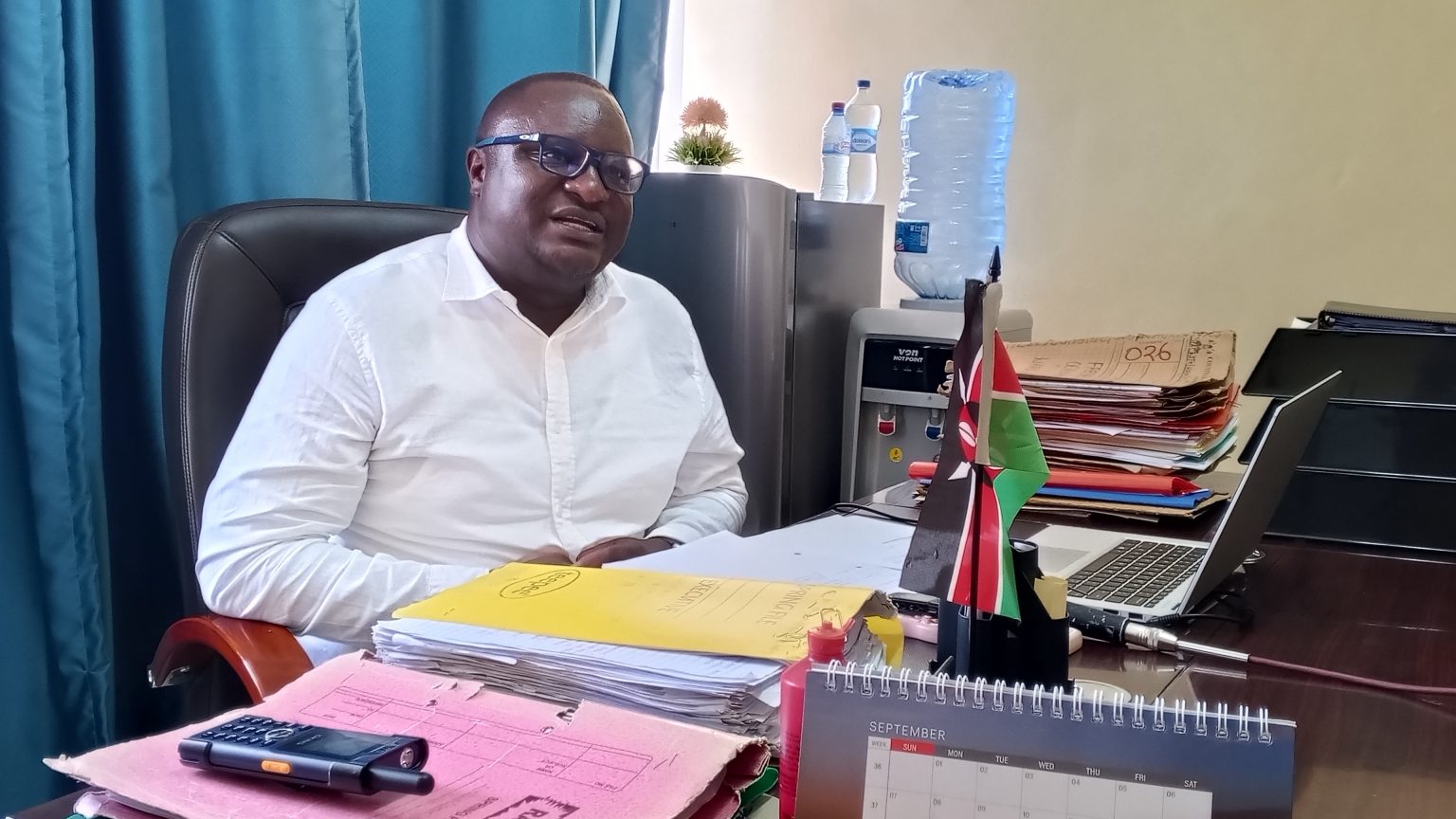
CPSB CEO Wilfred Nyagudi defended the board, saying it was the first to flag the fake appointment letters.
“We can’t fire people we never hired,” Nyagudi insisted.
However, critics question why over 380 people could work in facilities for months without proper verification.
County Secretary Joseph Ogutu distanced the government from the scam, bluntly advising victims to “take up the matter with those they gave bribes to.”
But with reports of continued extortion—including claims Nyagudi is demanding Sh200,000 from workers to be added to approved lists—concerns persist that the fraudulent network is still active.
Systemic Failure Exposed
The scam has highlighted glaring weaknesses in Siaya’s recruitment and payroll systems. Despite a 2022 taskforce led by former Auditor General Edward Ouko recommending tighter hiring controls, safeguards were not enforced.
The fact that fraudulent workers were integrated into payroll structures, deployed to facilities, and even transferred exposes systemic failures that extend beyond rogue individuals.
What Next for Siaya?
The scandal has triggered a healthcare crisis, financial devastation for victims, and a governance credibility test for Orengo’s administration.
With investigations now underway by the County Assembly, Directorate of Criminal Investigations (DCI), and anti-corruption agencies, the outcome will determine:
-
Whether victims are compensated
-
Whether corrupt officials face prosecution
-
Whether reforms finally seal recruitment loopholes
Until then, the scandal remains a stark reminder of how desperation and corruption can converge to exploit Kenya’s unemployed youth—and cripple essential public services.
Kenya Court News Today – Live High Court & DPP Updates click here 👉 /kenya-court-news-today