

Last Updated on January 30, 2026 by courtnews reporter
Investigation Exposes Secret Abuse Camps in Kenya Holding Children From Europe
A new investigation by Finland’s public broadcaster Yle has raised serious concerns about secretive disciplinary camps operating in Kenya, where children from Europe are allegedly subjected to abuse under the guise of religious rehabilitation and moral correction.
The investigation, led by journalist Wali Hashi, documents how vulnerable minors—primarily from Finland and Sweden—are sent to Kenya by parents who believe the institutions offer guidance, only for some to face violence, isolation, and unlawful detention, according to survivor accounts and undercover footage.
How Kenya Emerged as a Destination
According to Yle, some Somali parents living in Finland and Sweden send children to Kenya through informal networks, often without public records, licensing, or oversight.
Hashi gained access to several camps by posing as a concerned parent seeking “discipline” for his child. Camp operators reportedly welcomed him and claimed to host minors from Finland and Sweden, promising strict religious guidance and behavioral correction.
Yle reports that none of the facilities visited appeared to be formally registered or regulated.
Undercover Footage and Survivor Testimony
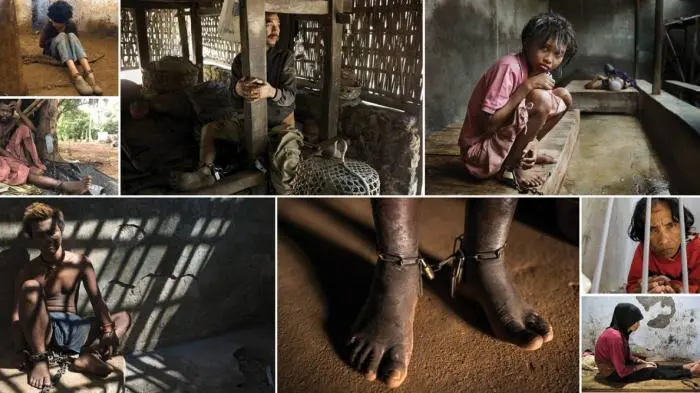
Inside the camps, the investigation describes conditions far removed from education or care. Undercover video and interviews with former detainees depict:
-
Children allegedly shackled to beds to restrict movement
-
Beatings used to enforce compliance
-
Isolation from families and the outside world
-
Strict routines enforced through fear and punishment
At one facility, Hashi met a teenage boy sent from Stockholm. Camp administrators acknowledged hosting youths from Finland previously, Yle reported.
One Finnish survivor told Yle he was sent to Kenya at age 12 and remained there for years, alleging repeated beatings and lasting psychological harm.
“They used wooden sticks until they broke, or water pipes because those wouldn’t break,” he said, describing punishment delivered without explanation or warning.
‘Dhaqan Celis’ and a Profitable System
Within parts of the Somali diaspora, the practice is often referred to as dhaqan celis—loosely translated as “return to culture.” Families are told the camps can address truancy, behavioral problems, or cultural conflict through faith-based discipline.
Yle’s investigation suggests the practice has evolved into a profitable business, with operators charging families hundreds of euros per month. Human rights advocates interviewed by the broadcaster warn that financial incentives and secrecy allow the system to persist.
Some parents may be unaware of alleged abuse, while others suspect harsh discipline but accept it as necessary, Yle reported.
Diplomatic Rescues and Oversight Gaps
The investigation also highlights cases where foreign embassies intervened. Diplomatic officials from Norway and Denmark confirmed to Yle that they encountered traumatized youths who had escaped or were rescued from such facilities in Kenya.
Human rights groups say Kenyan law already criminalizes child abuse, unlawful detention, and trafficking, but enforcement challenges—particularly around unregistered religious or informal institutions—create blind spots.
Advocates are calling for joint investigations, stronger inspections, and cooperation between Kenyan authorities and European governments.
A Call for Action
Yle’s findings have placed Kenya under renewed scrutiny over child protection and oversight of informal institutions. The investigation urges authorities to act decisively to protect minors and dismantle systems that operate on secrecy and profit.
As the broadcaster concludes, transparency and enforcement—not silence—are critical to ending abuse disguised as discipline.
Kenya Court News Today – Live High Court & DPP Updates click here 👉 /kenya-court-news-today