

Last Updated on January 15, 2026 by courtnews reporter
As the country edges closer to another high-stakes general election, much of Kenya is consumed by the noise, drama and political theatre surrounding the August 6 polls. Campaigns dominate headlines, rallies fill calendars, and aspirants crisscross the nation in pursuit of power.
Yet far from the spotlight, a wounded community in Subukia is quietly counting time—not to an election, but to the painful anniversary of one of Kenya’s deadliest man-made disasters: the Solai Patel Dam Tragedy.
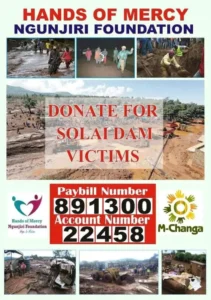
On May 9, 2018, an illegally and irregularly constructed dam within Patel Coffee Estates in Solai burst at around 7.15pm, releasing an estimated 190 million litres of water into nearby villages. The torrent swept through homes, schools and farms, leaving behind death, injury, displacement and devastation on an unprecedented scale.
At least 47 people lost their lives, most of them women, children and the elderly. More than 2,000 residents were rendered homeless, while public facilities—including Solai Nyakinywa Primary School and a private medical dispensary—were severely damaged.
A Disaster That Still Demands Answers
Despite the magnitude of the tragedy, fundamental questions remain unanswered. What exactly caused the dam to fail? Why was it allowed to exist in the first place?
Investigations revealed that the dam had been constructed by unqualified personnel using farm equipment, under the watch of county and national officials mandated to inspect, regulate and guarantee public safety. Major design and construction flaws were identified, pointing to both corporate negligence and state failure.
In July 2018, then Director of Public Prosecutions Noordin Haji ordered the arrest and prosecution of senior officials linked to the disaster. Among those named was Perry Mansukh Kansagara, a director at Patel Coffee Estates and son of the late founder Patel Mansukh Kansagra.
Others cited for prosecution included officials from WARMA, NEMA, and Nakuru County’s water and administrative departments, accused of manslaughter, neglect of official duty, and failure to conduct environmental impact assessments.
Courts, Protests and a Fractured Quest for Justice
The tragedy triggered violent protests in Solai, with residents accusing authorities of mishandling the aftermath and shielding powerful interests. Multiple civil and criminal cases followed—some concluded, others still crawling through the justice system.
In February 2020, a Naivasha court controversially acquitted Perry Kansagara and eight others of manslaughter. Two months later, High Court Judge Richard Mwongo overturned the ruling, terming it defective and unjust, and ordered a retrial of 48 manslaughter counts, saying the interests of victims had been ignored.
The government later indicated it would pursue fresh charges—but years on, accountability remains elusive.
Alleged Compensation Scam and Political Exploitation
While victims struggled to rebuild their lives, allegations emerged of political exploitation of the tragedy.
Bahati MP Kimani Ngunjiri is accused by residents and leaders of using the chaos to pressure victims into signing dubious compensation agreements in July 2018, alongside Perry Kansagara.
Victims were allegedly promised Sh100,000 compensation, but many later claimed the pledges were false and that they were not given adequate time to read or understand the documents they signed. Some agreements reportedly included discharge and indemnity clauses, effectively barring victims from making future claims against the dam’s owners.
Subukia MP Samuel Gachobe publicly warned Ngunjiri to stop interfering in matters outside his constituency, accusing him of political gimmicks and exploiting a humanitarian crisis.
Foundations, Broken Promises and Lingering Pain
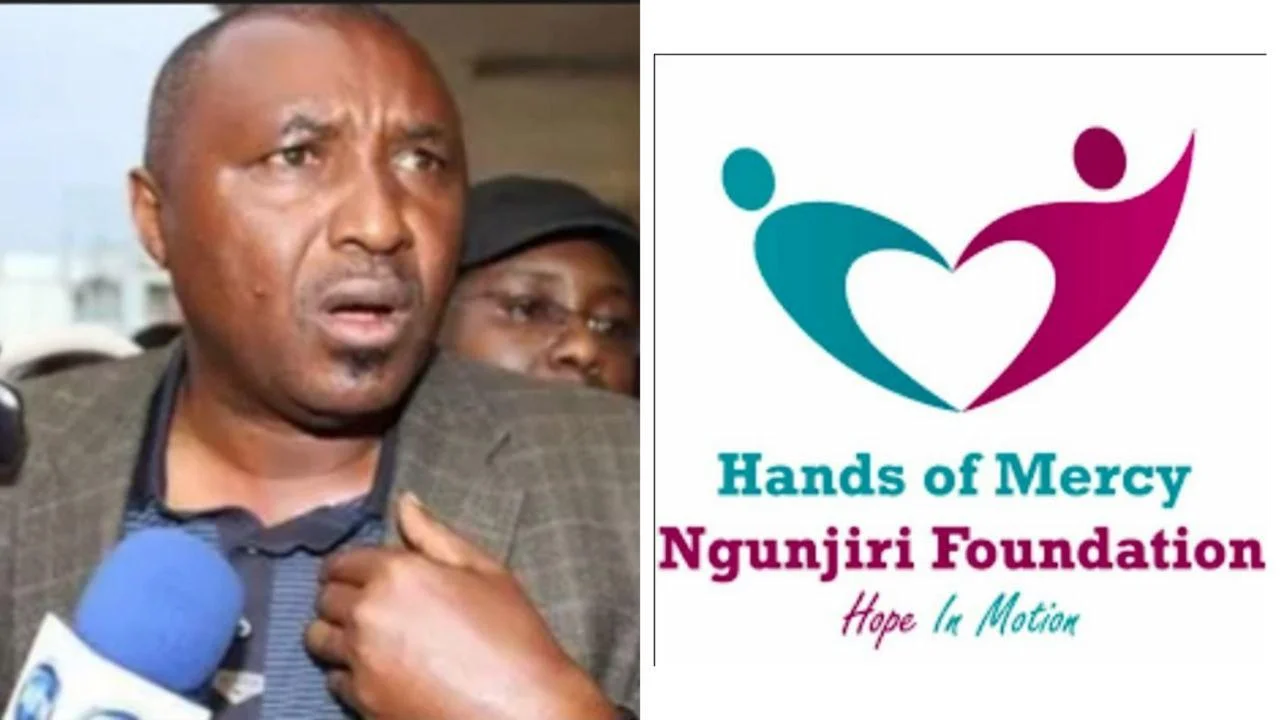
Ngunjiri’s “Hands of Mercy Foundation” reportedly collected millions of shillings in donations purportedly meant to aid Solai victims. Promises were made to sponsor students, provide relief supplies and support displaced families.
However, some pledges—including sponsorship of over 60 students at a mission school in Dundori—collapsed within a year, leaving institutions and families stranded.
Today, life in Solai–Nyakinyua appears outwardly normal. Roads are tarmacked, businesses run, and boda boda riders ferry passengers as usual. But beneath the surface lies a community still grappling with unhealed trauma, unanswered questions and a justice system that many feel has failed them.
Power, Impunity and the Ballot Question
Both Kimani Ngunjiri and Perry Mansukh Kansagara remain free, years after the tragedy, fueling perceptions of impunity protected by political power.
Ngunjiri’s controversies extend beyond Solai. He has previously been named by former Environment CS Keriako Tobiko as a person of interest in the murder of environmental activist Joanna Stutchbury, who was killed in Kiambu in 2021—a revelation that intensified scrutiny of his public record.
As elections approach, questions are being asked about the role of the Independent Electoral and Boundaries Commission (IEBC) and its leadership in vetting candidates with such baggage.
For Solai residents, the ballot is not just a democratic exercise—it is a painful reminder that power without accountability can cost lives.
A Tragedy Kenya Must Not Forget
Seven years later, the Patel Dam tragedy remains a symbol of corporate impunity, regulatory failure and political exploitation. As politicians seek votes, Solai’s survivors continue to seek truth, justice and dignity.
Until accountability is delivered—not just in courts but at the ballot box—the floodwaters of Solai will remain a haunting reminder of what happens when profit and power trump human life.
Kenya Court News Today – Live High Court & DPP Updates click here 👉 /kenya-court-news-today