

Last Updated on October 7, 2025 by courtnews reporter
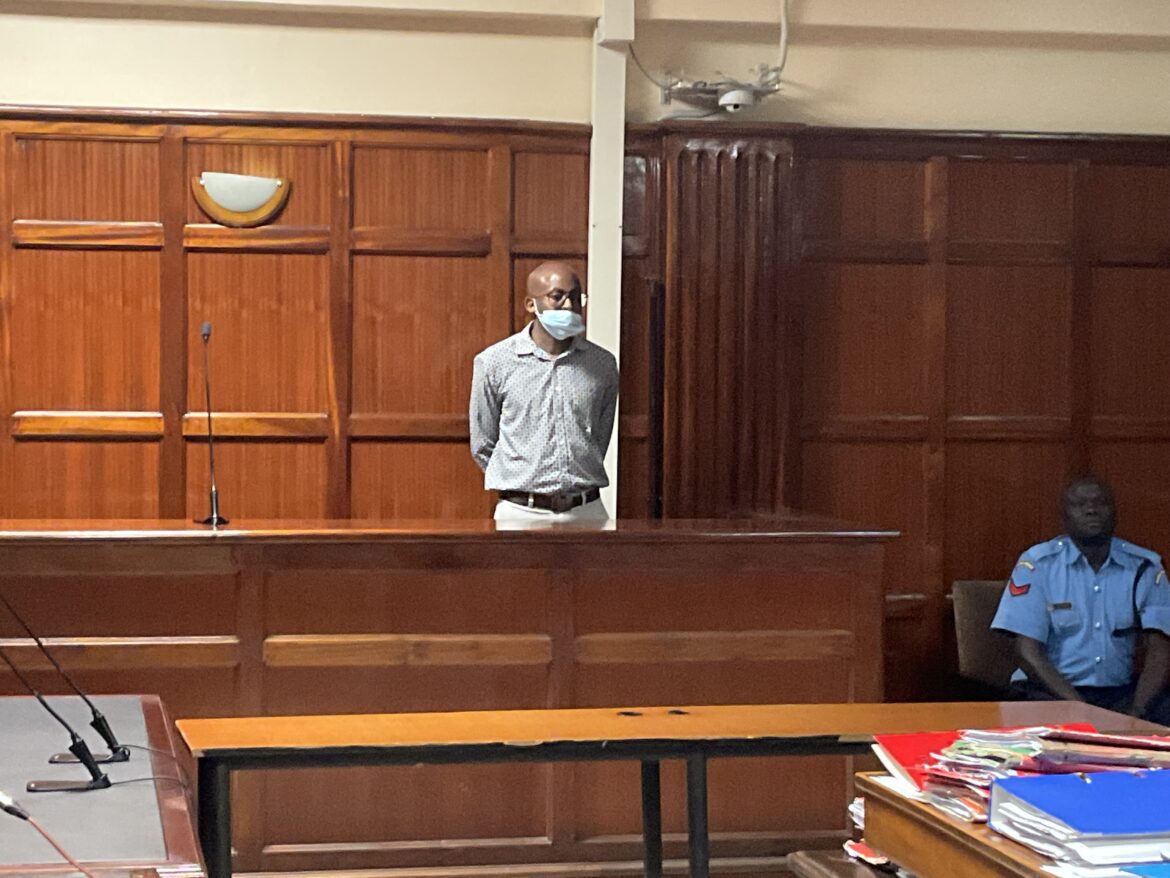
A Nairobi-based oil dealer, David Waweru Kamotho, has been released on a personal bond of Ksh1 million after pleading not guilty to a charge of obtaining Ksh10 million through fraud.
The ruling was delivered by Magistrate Lucas Onyina on Monday after Waweru appeared before the court and denied the charge of cheating contrary to Section 315 of the Penal Code.
Fraud Allegations and Court Proceedings
According to the charge sheet, Waweru is accused of inducing Kipngeno Obed Kigen to pay him $70,200 (approximately Ksh10 million) on March 15, 2023, at Westlands, Nairobi County, through what prosecutors described as a fraudulent trick.
The accused had initially sought to defer the plea, but the court declined the request. Upon formally taking his plea, Waweru’s defense team applied for his release on bond, arguing that he was a longtime businessman with deep community roots and a known residence in Nairobi.
His lawyers further emphasized that he was not a flight risk and had consistently cooperated with investigative and judicial processes.
Court’s Decision and Significance of a Personal Bond
In his ruling, Magistrate Onyina granted Waweru a personal bond of Ksh1 million, meaning he did not need to deposit cash immediately. However, he remains legally bound to appear in court for all hearings — failure to do so could result in forfeiture of the bond amount and issuance of an arrest warrant.
A personal bond is typically granted when the court is satisfied that the accused can be trusted to attend proceedings without the need for a cash bail deposit. The court’s decision indicates confidence that the accused poses minimal flight risk and that his personal undertaking is sufficient.
Next Steps in the Legal Process
The case will now proceed to pre-trial conferences, where the prosecution is expected to outline its evidence, witnesses, and timelines for hearings.
The prosecution will also be required to supply the defense with documentary evidence and witness statements in preparation for the trial.
If convicted under Section 315 of the Penal Code, the offense of cheating carries a penalty of imprisonment or a fine, depending on the court’s discretion.
The matter remains under active investigation as both sides prepare for the next stage of the proceedings.
Kenya Court News Today – Live High Court & DPP Updates click here 👉 /kenya-court-news-today