

Last Updated on December 28, 2025 by courtnews reporter
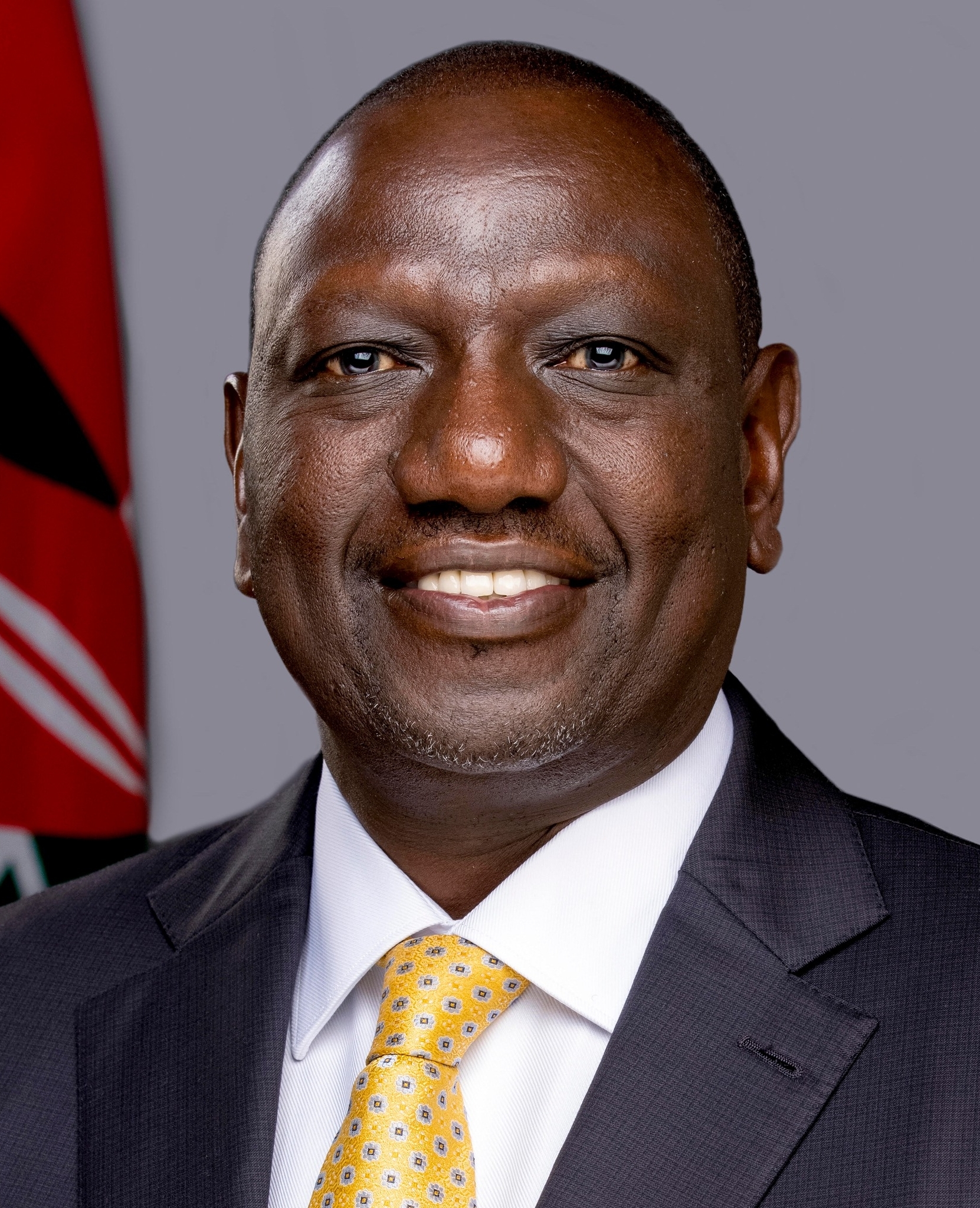
President William Ruto’s ambitious Sh5 trillion National Infrastructure Fund has suffered a significant setback after the High Court issued conservatory orders suspending its establishment and operationalisation.
In a ruling with far-reaching implications for the government’s economic transformation agenda, Bahati Mwamuye restrained the Attorney General, National Treasury, National Assembly, Senate, and the Controller of Budget from establishing, incorporating, registering, or funding the proposed National Infrastructure Fund pending the hearing and determination of a constitutional petition.
Petition Challenges Legality of the Fund
The conservatory orders follow a petition filed by four Kenyans—Dr. Magare Gikenyi, a consultant trauma surgeon based in Nakuru, Eliud Matindi, Philemon Nyakundi, and Dishon Mogire—who argue that the government created the fund illegally through executive fiat, without the approval of Parliament.
At the centre of the dispute is a December 15, 2025 State House communiqué announcing Cabinet approval of the National Infrastructure Fund as a limited liability company. The petitioners contend that the move violated the Constitution and existing public finance laws.
“The respondents purported to create a public fund through executive fiat,” the petition states, arguing that Article 206(1)(a) of the Constitution requires any national government public fund to be established by an Act of Parliament or under the Public Finance Management Act, 2012, not through registration under the Companies Act.
Concerns Over Transparency and Public Participation
The petitioners further argue that the creation of the fund offends Article 201 of the Constitution, which demands openness, accountability, public participation, and prudent use of public resources.
Justice Mwamuye heard that the public has never been informed whether the fund was registered as a company limited by shares or by guarantee, raising serious concerns about transparency and access to accurate information.
“There is no public participation on the establishment of the impugned fund,” the petitioners submitted, adding that Article 132(4) limits presidential executive authority strictly to what is provided for in the Constitution or national legislation.
Parliament Accused of Abdicating Oversight Role
In strongly worded submissions, the petitioners accused both the National Assembly and the Senate of failing in their constitutional oversight roles.
They argued that Parliament had remained a “bystander” while the Executive purported to create an ad hoc public fund operating outside normal budgetary controls, thereby reducing parliamentary oversight and accountability.
The petition relies heavily on Section 24(2) of the Public Finance Management Act, which requires that the Cabinet Secretary may only establish a national government public fund with the approval of the National Assembly—a step the petitioners say was entirely bypassed.
Threat to Equalization Fund Raised
The petitioners also warned that the National Infrastructure Fund threatens the Equalization Fund established under Article 204 of the Constitution, which allocates 0.5 per cent of national revenue to provide basic services to marginalized regions.
They argued that the new fund risks duplicating or diverting resources meant for constitutionally protected programmes, potentially undermining development in historically disadvantaged areas.
Fears Over Asset Sales and Debt
Further alarm was raised over the government’s stated intention to capitalise the fund through “strategic monetisation of mature public assets.” The petitioners pointed to recent sales of Safaricom shares and attempts to privatise the Kenya Pipeline Company as indicators of a worrying trend.
They alleged that the fund could be used to enrich “shadowy figures within government cycles for political and economic gain,” drawing comparisons to the infamous Goldenberg scandal of the 1990s.
The petitioners also questioned the government’s debt management record, noting that Kenya’s public debt stands at over Sh6.95 trillion, with claims that the current administration has not fully accounted for more than Sh4 trillion borrowed during its tenure.
Projects Touted Under the Fund
The National Infrastructure Fund, as announced by President Ruto, was intended to anchor Kenya’s long-term development and economic transformation, financing flagship projects including:
-
Construction of 50 mega dams and 1,000 micro-dams for irrigation
-
Dualling of 2,500 kilometres of highways
-
Tarmacking of 28,000 kilometres of roads
-
Extension of the Standard Gauge Railway to Malaba
-
Addition of 10,000 megawatts of new energy capacity
The government had claimed that every shilling invested through the Fund would crowd in up to Sh10 from long-term investors.
Court Directions and What Next
Justice Mwamuye directed the petitioners to serve all respondents, the Law Society of Kenya, and Katiba Institute with the petition, application, and court orders by December 29, 2025.
The Attorney General, National Treasury, Parliament, Senate, and Controller of Budget—named as respondents—are yet to file their responses.
A Test of Executive Power
The case marks another major judicial test of the Ruto administration in 2025, as courts increasingly scrutinise executive decisions on public finance, asset management, and constitutional limits of presidential power.
As the legal battle unfolds, Kenya’s ambitious infrastructure agenda now hangs in the balance, awaiting constitutional clarity on how—and by whom—massive public funds can lawfully be created and managed.
Kenya Court News Today – Live High Court & DPP Updates click here 👉 /kenya-court-news-today