

Last Updated on September 21, 2025 by courtnews reporter
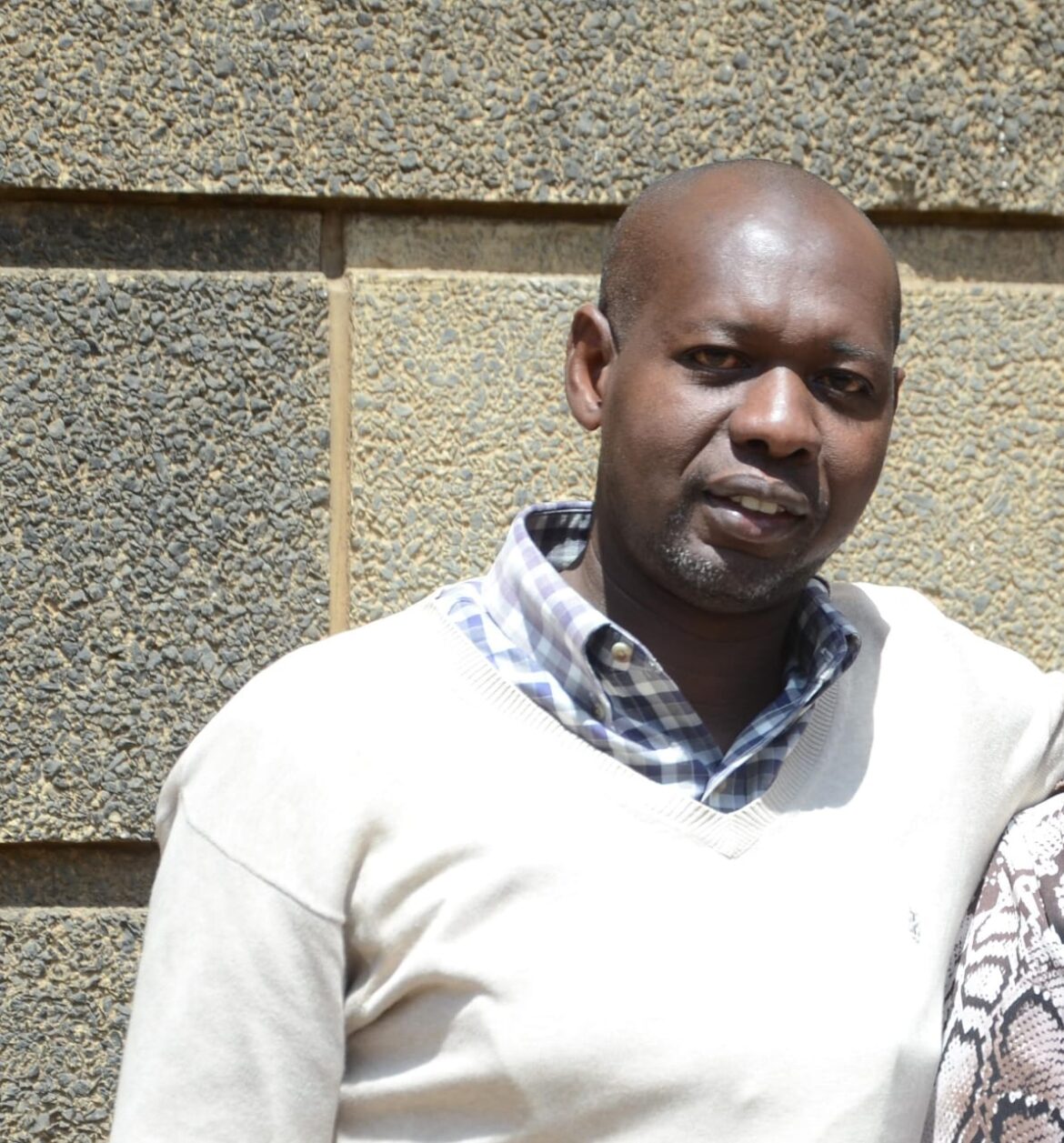
The arrest of veteran photojournalist Collins Kweyu, a long-serving journalist with The Standard, has sparked widespread concern within Kenya’s media fraternity. The Court Reporters Association of Kenya (CRAK) has issued a strong statement condemning the circumstances surrounding his detention, warning that the case highlights deeper issues regarding the rights of suspects in custody and the misuse of pre-trial detention in the country.
Why Was Collins Kweyu Arrested?
According to preliminary reports, Mr. Kweyu’s arrest stems from a complaint filed by a Migori-based judge. While the exact details of the complaint remain unclear, his detention has already drawn attention due to his reputation as a respected and experienced journalist with a known place of residence and established career.
CRAK has questioned the necessity of holding Kweyu in custody while investigations continue. The association argues that law enforcement agencies should instead have issued a summons, given his fixed residence and standing in the community.
CRAK’s Statement on the Arrest
In a statement signed by Secretary General Sam Kiplagat, CRAK underscored that the right to bail in Kenya is not a privilege but a constitutional safeguard designed to protect suspects from unnecessary deprivation of liberty.
“Mr. Kweyu is a respected and long-serving journalist with a known place of residence. We urge the authorities to release him as investigations continue. Should further action be required, he can be summoned to appear before the police or the court,” CRAK said.
The association stressed that all individuals are presumed innocent until proven guilty and that pre-trial detention should never be misused as a form of punishment.
Wider Concerns Over Treatment of Suspects in Kenya
The arrest comes amid heightened concerns about how suspects are handled in police custody. The tragic death of Albert Ojwang while in detention has raised fresh questions about accountability within law enforcement agencies.
CRAK pointed to this case as evidence of systemic problems that erode public confidence in Kenya’s justice system. “This case highlights the urgent need for law enforcement agencies to respect the rights and dignity of all individuals under investigation, and to uphold due process at every stage,” the statement read.
Legal Context: Bail and Suspects’ Rights
Under Kenyan law, Article 49 of the Constitution guarantees arrested persons the right to be released on bond or bail, on reasonable conditions, unless there are compelling reasons not to. The Criminal Procedure Code further reinforces these safeguards.
Despite these provisions, human rights organizations have repeatedly flagged instances where suspects are held in custody unnecessarily, often in poor conditions, with limited access to legal representation or healthcare.
Kweyu’s arrest, observers say, underscores the urgent need for reforms in how pre-trial detention is applied and monitored.
Media Freedom and Implications
The detention of a journalist also raises broader questions about media freedom in Kenya. Journalists often operate under pressure, particularly when reporting on sensitive institutions such as the judiciary and security agencies.
Although the complaint against Kweyu has not yet been made public, media watchdogs warn that cases like his can have a chilling effect on press freedom, discouraging journalists from covering stories involving powerful individuals or state institutions.
What Next?
CRAK has called on law enforcement agencies to:
-
Respect the constitutional right to bail.
-
Avoid unnecessary pre-trial detention.
-
Ensure suspects in custody are treated with dignity.
-
Uphold due process and transparency in investigations.
The association further urged authorities to handle the Kweyu case fairly, warning that failure to do so could deepen public mistrust in both the justice system and law enforcement.
Conclusion
The arrest of Collins Kweyu has become more than just a legal matter—it is a litmus test for how Kenya treats suspects, balances justice with human rights, and protects media freedom. As investigations continue, the public, journalists, and human rights advocates will be watching closely to see whether authorities uphold the principles of fairness, transparency, and accountability.
Kenya Court News Today – Live High Court & DPP Updates click here 👉 /kenya-court-news-today