

Last Updated on September 24, 2025 by courtnews reporter
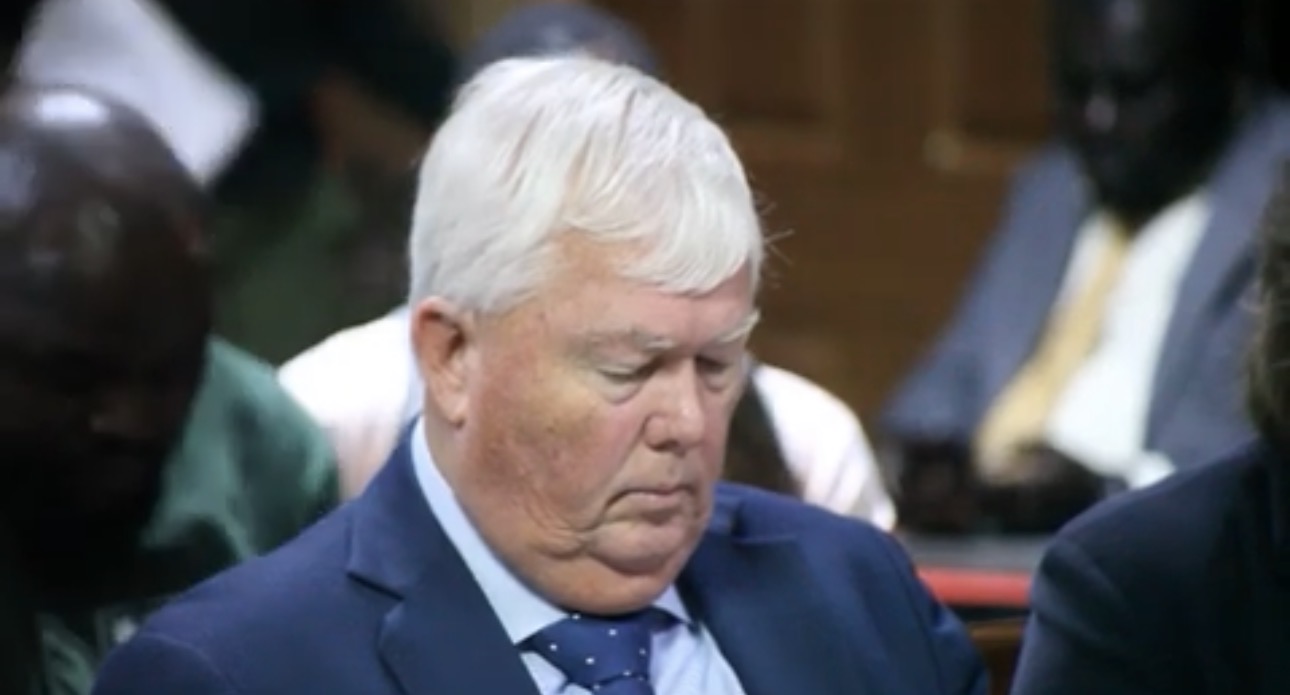
British lawyer Guy Spencer Elms has been dealt a major blow in his prolonged legal battle after a Nairobi court rejected the Director of Public Prosecutions’ (DPP) bid to withdraw fraud charges against him. The ruling now sets the stage for a high-profile trial over allegations of forgery and fraud in a Sh100 million property dispute.
On Wednesday, Senior Principal Magistrate Ben Mark Ekhubi ruled that Spencer must take plea on October 7, 2025, dismissing the prosecution’s claim of insufficient evidence. The court insisted that the allegations were too serious to be struck out without a proper trial.
Five Criminal Charges Against Spencer
Spencer faces five charges under the Penal Code, including:
-
Making a false document
-
Uttering forged documents
-
Forging a Power of Attorney
-
Presenting forged documents to investigators
-
Fraudulently seeking to obtain property through a disputed will
Prosecutors allege that on March 24, 1997, Spencer forged the will of late British businessman Roger Bryan Robson, who died nearly 13 years ago. The forged document was reportedly presented to the DCI headquarters in February 2015, where Spencer allegedly insisted it was genuine.
The DPP further claims that Spencer forged a Power of Attorney dated January 24, 2010, in Robson’s name, and later used the disputed will to file for a Grant of Probate in succession case No. 935 of 2013. Through this, he allegedly sought to inherit the deceased’s high-value estate.
Disputed Karen and Msambweni Properties
At the heart of the dispute is Robson’s vast estate, including a prime beachfront property in Msambweni, Kwale County, and a Sh100 million parcel in Karen, Nairobi. The succession case has drawn in multiple claimants, each presenting conflicting documents about Robson’s true intentions before his death.
Court documents suggest that Robson’s death triggered a bitter battle, with Spencer accused of leveraging forged documents to position himself as executor of the estate.
Court Rejects Withdrawal Attempt
The DPP had argued that continuing the case amounted to an abuse of process, citing insufficient evidence to secure a conviction. Spencer’s defense team supported the withdrawal, insisting that the will’s validity had already been contested in succession proceedings where he acted merely as an executor, not beneficiary.
However, complainants strongly opposed the withdrawal, arguing that serious allegations of forgery demanded a full trial. Magistrate Ekhubi agreed, ruling that “justice must be served through trial,” thereby dismissing the withdrawal application.
Previous Arrest Warrant
In August 2025, Magistrate Ekhubi had already issued an arrest warrant against Spencer after he failed to appear in court. His legal team claimed he was in London attending to a sick child, but the magistrate ruled there was no valid reason for his absence.
Currently, Spencer is out on a Sh50,000 personal bond, awaiting his formal plea.
Broader Implications
Legal experts argue that this case could set important precedents for:
-
Handling disputed wills and succession battles
-
Authenticating legal documents in high-value estates
-
Preventing fraudulent transfers of foreign nationals’ properties in Kenya
The matter has also reignited concerns over weaknesses in Kenya’s property registration system, with critics pointing to loopholes that make it vulnerable to fraudulent claims.
What Next?
The highly anticipated October 7 plea session will see Spencer formally respond to the charges. The prosecution has already indicated its readiness to proceed, though it may allow limited time for Spencer’s legal team to prepare.
This case is now one of the most significant property fraud disputes in Kenya’s recent history, drawing attention from both local and international observers. Its outcome could reshape how courts handle fraudulent wills and succession disputes involving millions in assets.
Kenya Court News Today – Live High Court & DPP Updates click here 👉 /kenya-court-news-today