

Last Updated on January 25, 2026 by courtnews reporter
Fresh allegations emerging from within the Kenya Rural Roads Authority (KeRRA) point to an alleged scheme to influence the appointment of the agency’s next Director General through money, political connections, and intimidation.
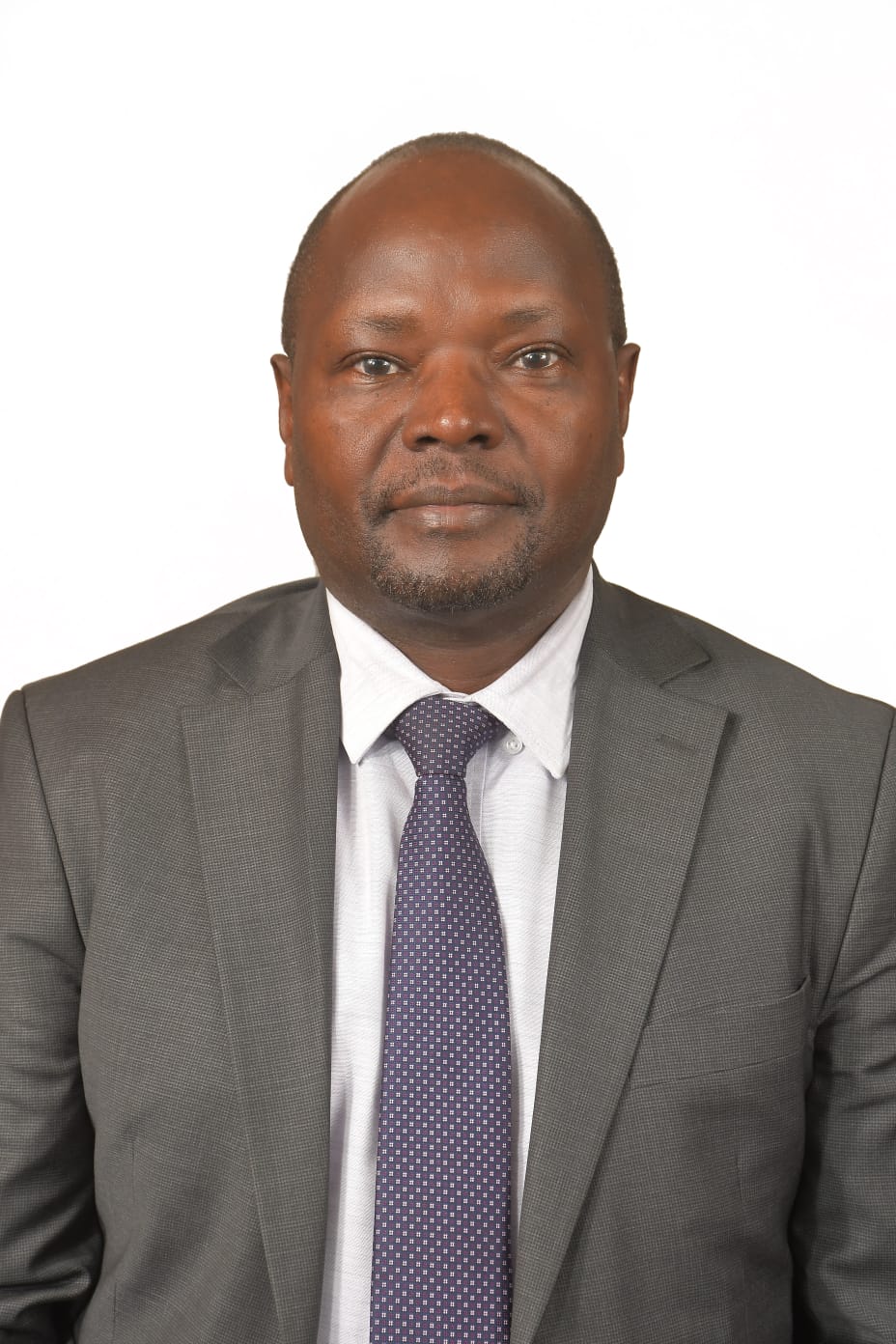
At the centre of the claims is Jackson Magondu, the Acting Director General, who insiders allege has mobilised friendly contractors to raise millions of shillings in a bid to secure confirmation to the powerful post.
Multiple sources within KeRRA allege that Magondu has leaned on perceived political backing while silencing internal dissent—reviving painful memories of past corruption scandals that once turned the roads agency into a symbol of public plunder.
How the Alleged Scheme to Buy the KeRRA DG Seat Works
According to sources familiar with the recruitment process, Magondu applied for the Director General position after it was advertised and appeared for interviews alongside other candidates.
While the formal process appears compliant on paper, insiders claim panic set in after the interviews. They allege Magondu feared losing the job on merit and soon reached out to construction firms with long-standing business ties to KeRRA.
The alleged objective, sources say, was to raise large sums of money quickly to influence the final decision-making process.
The contractors allegedly approached are said to have benefited from repeat tenders, project variations, and inflated rural road costs over the years. Sources claim some of these firms were coordinated through trusted managers promoted by Magondu at headquarters and in regional offices.
Claims of Political Name-Dropping and Intimidation
Insiders further allege that Magondu claimed backing from powerful government figures, including Roads and Transport Cabinet Secretary Davis Chirchir and Head of Public Service Felix Koskei.
No public evidence has been produced to support these claims. However, staff members allege that the names were used to intimidate critics and discourage resistance within the agency.
Employees say that questioning the acting DG often leads to sudden transfers, stalled promotions, or professional sidelining, creating a climate of fear that allegedly enables the scheme to operate without challenge.
Unresolved Harassment Allegations Add to the Cloud
Beyond the alleged financial scheme, sources claim that complaints of sexual harassment involving female staff at KeRRA headquarters were quietly suppressed during the recruitment period.
No court has ruled on these claims, and no public investigation has concluded. However, insiders question why the complaints stalled and who blocked internal action at a time when the acting DG was seeking confirmation.
Staff fear that raising such issues could end careers, particularly given the vast power attached to the DG’s office.
Deputy DG Sidelined as Internal Tensions Rise
Sources also describe strained relations between Magondu and his deputy, Enock Arita Kombo.
They allege that Magondu views Kombo as a threat due to his deep institutional knowledge and potential to expose irregular dealings. Insiders believe this tension has intensified the urgency to secure the DG position before internal rivals regain influence.
KeRRA’s Troubled Past Fuels Present Fears
KeRRA’s history casts a long shadow over the current allegations. For years, the agency was plagued by claims of inflated tenders, fictitious variations, and ghost road projects.
Former Director General Philemon Kandie became the public face of that era. In October 2025, officers from the Ethics and Anti-Corruption Commission arrested Kandie during a night operation, seizing documents and electronic devices.
Investigators questioned him over alleged graft and financial mismanagement. Kandie had resigned earlier, two years before his term ended, without public explanation. He later denied accusations that he used KeRRA funds to finance protests, as investigations continue.
Why the KeRRA DG Seat Attracts Dirty Money
Insiders describe the DG position as one of the most powerful in Kenya’s infrastructure sector. The office controls:
-
Procurement approvals
-
Project prioritisation
-
Internal audits
-
Senior staff postings
A single signature can unlock billions of shillings in road funding—making the role, according to insiders, “every crooked engineer’s dream.”
High Stakes for Taxpayers and Rural Roads
If the allegations prove true, critics warn that the cost will be borne by ordinary Kenyans. Rural roads may remain incomplete, funds may vanish, and communities could be left isolated.
Observers say the appointing authorities now face a defining test: insist on integrity, transparency, and scrutiny, or risk repeating the mistakes that once crippled KeRRA.
For the roads agency, the decision will shape its future. For taxpayers, it will determine whether public funds build roads—or bankroll corruption once again.
Kenya Court News Today – Live High Court & DPP Updates click here 👉 /kenya-court-news-today