
Last Updated on October 17, 2025 by
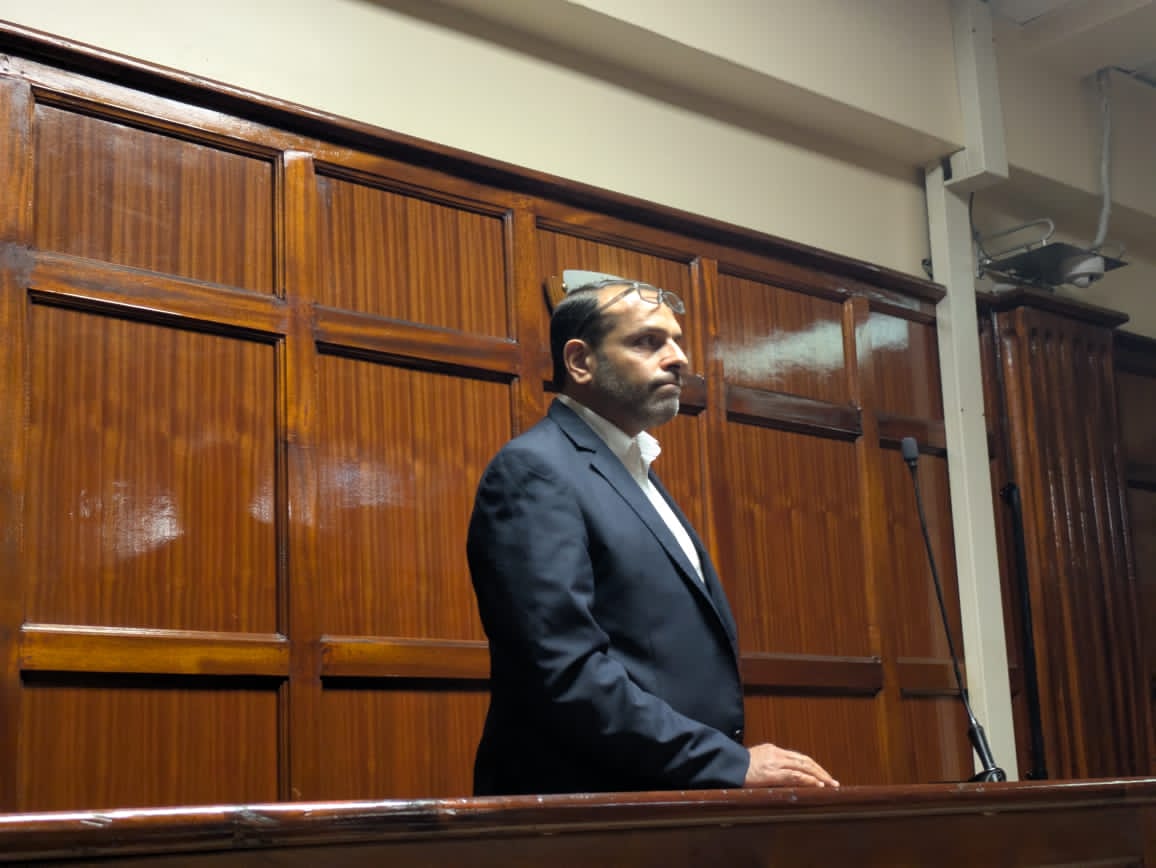
A senior executive of Egypt Power Company, identified as Yasser Abdel Wahab Mohammed, has been charged in Nairobi for allegedly obtaining Ksh 2.3 million from a local businesswoman under false pretenses.
Mr. Mohammed appeared before Milimani Chief Magistrate Lucas Onyina, where he denied the charges related to a water filtration machine importation deal. The prosecution accused him of deceiving the complainant, Nasra Ibrahim Roble, into believing he could deliver the equipment from abroad through his company.
How the Alleged Fraud Happened
According to the charge sheet, the alleged offenses took place between March 1 and November 30, 2024, within Nairobi County. Investigators say Mr. Mohammed used fraudulent tricks and false promises to obtain the funds, convincing Ms. Roble that he could import the filtration machine.
However, the prosecution claims no such delivery ever materialized, and attempts to recover the funds proved unsuccessful, prompting a complaint to be lodged at the Directorate of Criminal Investigations (DCI).
Defense: ‘It Was a Business Deal, Not a Crime’
In his defense, Mr. Mohammed denied the allegations and requested lenient bond terms, citing his long-term residence in Kenya and cooperation with investigators. His lawyer argued that the matter was a commercial dispute rather than a criminal act, explaining that the machine in question had already arrived in Kenya.
“Your honor, this is an issue of a counterclaim between the accused and the complainant. The machine was procured and is already in the country,” the defense stated in court.
Prosecution Seeks Bond Commensurate with the Offense
While not opposing bail, the prosecution urged the court to impose bond terms proportional to the amount involved. “We do not deny the accused the right to bond, but the terms should reflect the seriousness of a Ksh 2.3 million fraud,” the prosecutor submitted.
After hearing both sides, Chief Magistrate Onyina granted Mr. Mohammed a cash bail of Ksh 200,000 and directed that he deposit his passport in court to prevent him from leaving the country.
The accused was also ordered to provide a Kenyan contact person to act as a guarantor.
Next Court Mention and Possible Penalties
The case will be mentioned again on October 1, 2025, for pre-trial and directions. Should the court find the accused guilty, he could face imprisonment or fines as stipulated under Section 313 of the Penal Code, which addresses obtaining money by false pretenses.
Legal experts say this case highlights the growing trend of business fraud involving foreign investors and the need for due diligence when engaging in importation and technology supply deals.
Public Reaction and Broader Implications
The case has sparked discussion within the business and investment community, with many calling for stricter vetting processes for companies handling high-value imports. It also underscores Kenya’s ongoing efforts to curb economic crimes and promote transparency in commercial transactions.
Analysts point out that while Kenya’s legal framework provides remedies for fraud victims, enforcement remains crucial to deter future offenders.