Pastor Robert Burale Sues Alex Mwakideu and Ex-Wife Rozina Over Defamation on YouTube Interview

Last Updated on October 15, 2025 by
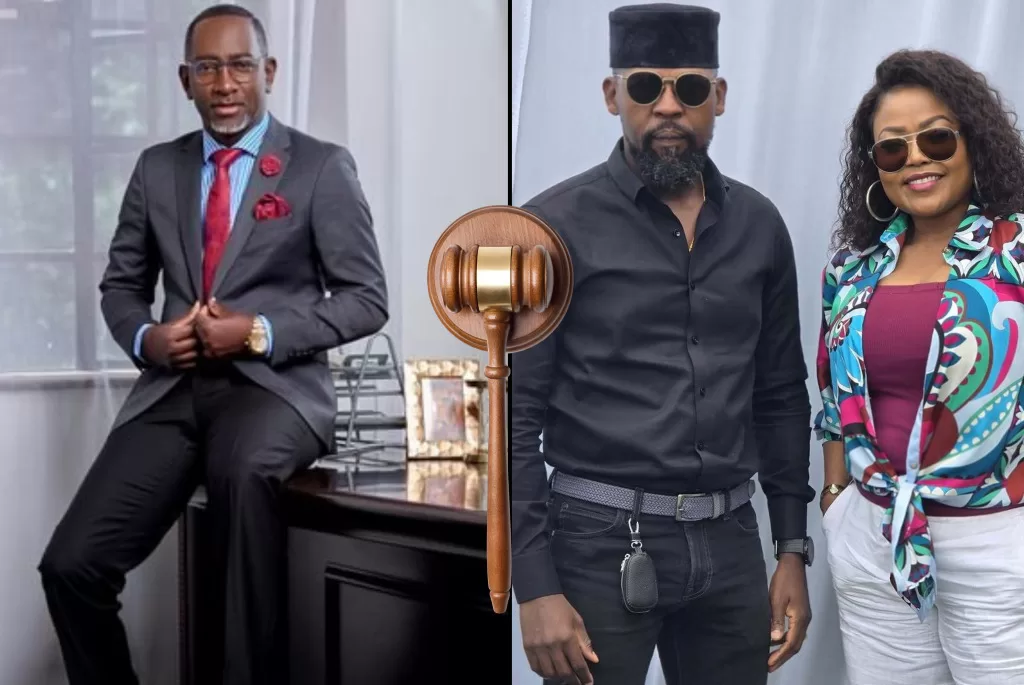
Prominent pastor and motivational speaker Robert Burale has taken legal action against media personality Alex Mwakideu and his former wife Rozina Mwakideu, accusing them of defamation over a YouTube interview that he claims gravely damaged his name and standing in society.
The case, filed under fast-track procedure at the Milimani Chief Magistrates’ Court, centers on a YouTube episode titled “My Biggest Mistake Was Marrying Robert Burale” that aired on the Alex Mwakideu TV channel on October 4, 2025.
According to the court documents, Pastor Burale alleges that the interview portrayed him as manipulative, hypocritical, a swindler, and homosexual, accusations he describes as false, defamatory, and deeply injurious to his public and spiritual reputation.
“A Targeted Character Assassination” — Burale Says
In his pleadings, Burale, who describes himself as a “servant of God, life coach, and mentor to men of faith,” states that the interview amounted to a calculated character assassination campaign aimed at destroying his moral credibility and ministry influence.
He argues that Rozina, his former wife, made malicious and unsubstantiated statements about their marriage and personal life during the interview. Burale insists the remarks were intended to humiliate and discredit him before his congregation and the wider Kenyan public.
Through his lawyers, Burale claims that the video triggered public ridicule, emotional trauma, and loss of social standing, as comments on YouTube and other social media platforms mocked and insulted his character.
Alex Mwakideu Accused of Journalistic Negligence
In addition to the defamation claims, Burale accuses Alex Mwakideu of professional negligence and irresponsible journalism.
He argues that Mwakideu, as a journalist and media personality, had a professional and ethical duty to verify allegations, seek his response, or provide fair coverage before publishing the video.
“Instead of upholding the principles of fair journalism, the second defendant encouraged viewers to ‘share widely,’ knowingly amplifying defamatory content,” the court documents read in part.
Burale’s legal team maintains that the video’s dissemination across social media led to extensive reputational harm and personal anguish, given his status as a public figure and faith leader.
Damages Sought and Court Remedies
Pastor Burale is seeking KSh 20 million in general and aggravated damages, citing irreparable harm caused to his reputation and ministry.
He also seeks the following remedies:
-
Immediate removal of the YouTube video from all online platforms.
-
A public apology and formal retraction from both defendants.
-
An injunction restraining them from publishing any further defamatory content concerning him.
-
Compensation for legal costs and damages resulting from reputational loss.
According to his affidavit, Burale contends that the defamatory words have made him a subject of “mockery, rejection, and diminished moral authority” among his peers and congregants.
Radio 47 Mention and Subsequent Clarification
The defamation suit also cites a Radio 47 broadcast aired on October 7, 2025, where Alex Mwakideu reportedly claimed he was unaware of the full contents of the interview before publishing it.
Burale argues that this admission reinforces his case, as it demonstrates recklessness and negligence in content production, particularly when dealing with sensitive personal allegations.
Defendants Yet to File Responses
Court records indicate that both Rozina Mwakideu and Alex Mwakideu have been named as first and second defendants respectively. The matter has been certified urgent and will proceed under the fast-track litigation system.
The defendants are expected to file their responses and witness statements before the case is mentioned again at the Milimani Law Courts later this month.
Legal Experts Weigh In
Legal analysts say the Robert Burale defamation case will be a critical test of Kenya’s digital media accountability, particularly concerning influencer content and YouTube-based interviews that blur the lines between entertainment and journalism.
Media lawyer David Ouma told CourtNews.co.ke that Kenyan courts are increasingly treating online interviews as published media, meaning they fall under defamation laws applicable to traditional broadcasters.
“Freedom of speech online is not absolute,” Ouma said. “Once you publish a video to the public, you assume responsibility for its accuracy and impact.”
Broader Context: Rise of Digital Defamation Cases
Kenya has witnessed a surge in defamation lawsuits tied to online content in recent years. Pastors, politicians, and celebrities have increasingly turned to the courts to protect their image from viral allegations made through podcasts, YouTube channels, and social media posts.
Legal experts note that under Kenya’s Defamation Act and the Computer Misuse and Cybercrimes Act (2018), publishers—including social media influencers and vloggers—can be held civilly liable for defamatory or injurious content.
If the court rules in favor of Burale, the outcome could set a landmark precedent for how digital creators and influencers handle interviews involving personal relationships and reputational issues.