
Last Updated on October 8, 2025 by
The hate speech case against Mumias East Member of Parliament (MP) Peter Salasya has been referred to the National Cohesion and Integration Commission (NCIC) for review and recommendations before the case proceeds to full hearing.
The development came after the Office of the Director of Public Prosecutions (ODPP), represented by State Prosecutor Virginia Kariuki, made a formal application seeking to have the matter assessed by the NCIC to determine whether it meets the threshold for prosecution.
“We are seeking a further mention in two months to confirm whether the Commission has finalized this matter,” Kariuki told the court during the hearing.
Court Raises Concerns Over Parallel Processes
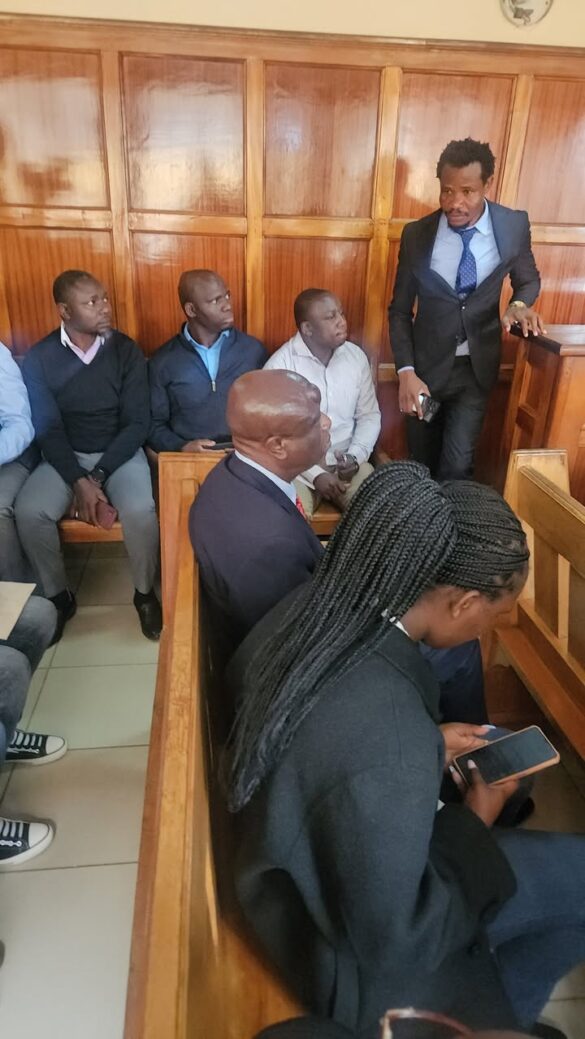
The matter was heard before Senior Resident Magistrate Paul Mutai, who questioned whether referring the case to NCIC might create a parallel legal process or duplicate efforts already undertaken by the prosecution.
In response, Prosecutor Kariuki clarified that the Commission’s role would be advisory and not judicial, explaining that NCIC’s mandate includes assessing cases involving hate speech, ethnic incitement, and discrimination to promote national harmony.
“The offence in question involves alleged incitement of the public. The Commission’s role is advisory and not judicial,” Kariuki explained.
Why the Case Was Referred to NCIC
According to the ODPP, the referral seeks expert input from the NCIC on whether the statements attributed to the legislator meet the legal definition of hate speech under the National Cohesion and Integration Act.
Magistrate Mutai questioned why the NCIC had not been involved earlier in the process, prior to Salasya’s arraignment. The prosecution responded that although the ODPP and NCIC operate independently, they often collaborate on cases relating to national cohesion and public order.
“The DPP should ensure all avenues are explored before arraigning an accused person,” Magistrate Mutai advised, emphasizing the importance of procedural thoroughness in hate speech prosecutions.
Next Steps in the Case
The court granted the prosecution’s application and fixed the case for mention on November 11, 2025, to receive an update on NCIC’s findings.
Should the Commission fail to conclude its review by then, the matter will proceed to full trial.
Background of the Charges
MP Peter Salasya was charged on May 19, 2025, with hate speech contrary to the National Cohesion and Integration Act. He is accused of making inflammatory remarks on social media that allegedly targeted members of a specific community, potentially inciting ethnic tension.
Salasya, who has been a controversial political figure known for his outspoken nature, has denied the allegations, maintaining that his remarks were taken out of context and politically motivated.
If found guilty, he could face a fine, imprisonment, or both, as stipulated under Kenya’s hate speech laws.
NCIC’s Role in Hate Speech Oversight
The National Cohesion and Integration Commission (NCIC) plays a central role in monitoring and addressing hate speech in Kenya, particularly among public figures.
The Commission often conducts independent reviews of statements made in public and digital platforms to determine whether they amount to incitement, ethnic contempt, or discrimination.
Legal analysts have welcomed the referral, noting that collaboration between NCIC and ODPP helps ensure fairness and clarity before hate speech prosecutions proceed.
Public Reactions and Broader Implications
Salasya’s case has reignited debate on the limits of free speech versus hate speech in Kenya’s political landscape.
While some of his supporters argue that the charges amount to political persecution, others say the case highlights the need for responsibility among leaders when using social media.
Observers note that the outcome of the NCIC review could set a precedent for future hate speech cases, especially involving sitting legislators and online platforms.