
David Dimba Escalates Pressure on Joshua Oigara as Stanbic Leadership Comes Under Fresh Fire

Last Updated on June 16, 2026 by Joao Pedro
The simmering dispute between whistleblower David Dimba and Stanbic Bank Kenya has taken a dramatic new turn after Dimba launched a blistering public attack on the bank’s leadership, accusing top executives of focusing on image management rather than addressing what he describes as deep-rooted employee grievances.
In a strongly worded public address, Dimba claimed that growing concerns raised by employees within the bank have not received the attention they deserve from senior management. Instead, he alleged that the institution has become increasingly focused on managing public perception while unresolved workplace issues continue to frustrate staff.
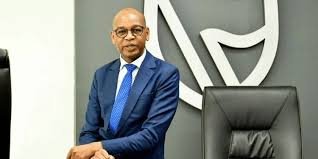
At the center of Dimba’s criticism is Stanbic Bank Chief Executive Joshua Oigara, one of Kenya’s most prominent banking executives. Dimba questioned the leadership style at the bank and challenged management to directly address concerns that he says have repeatedly been raised by employees. He argued that organizations should prioritize governance, ethics and staff welfare over reputation management strategies.
The latest broadside comes amid an increasingly public battle that has refused to disappear despite the passage of time. What may once have been viewed as an internal corporate disagreement has evolved into a broader debate about workplace culture, accountability and employee treatment within one of Kenya’s leading financial institutions.
Throughout his remarks, Dimba repeatedly alleged that many employees are unhappy with the current leadership but remain silent due to concerns about job security and financial obligations. He claimed staff members feel unable to freely express their views because they fear professional consequences. These claims have not been independently verified, but they form a central part of his continuing criticism of the bank.
One of the recurring themes in Dimba’s comments is the question of priorities. He alleged that resources are being directed toward public relations, crisis management and security measures while employees continue to face concerns regarding contracts, compensation, medical cover and career progression. He argued that money spent on protecting reputations would be better used improving staff welfare and addressing workplace grievances.
The remarks also touched on governance issues that Dimba says have previously been raised with the bank’s board. According to him, there are unresolved concerns that deserve attention from senior leadership rather than public relations responses. While the specifics of those governance concerns were not fully detailed in the transcript, he maintained that they remain valid and require serious engagement.
For Stanbic Bank, the continuing controversy presents a reputational challenge. The institution remains one of Kenya’s largest and most influential lenders, serving thousands of customers and businesses across the country. Yet the persistence of the Dimba saga has ensured that questions about internal culture and leadership continue to surface in public discussions.
Corporate governance experts often argue that the true measure of leadership is not how organizations perform during periods of praise and profitability but how they respond to criticism and internal concerns. That reality means the issues being raised—whether management agrees with them or not—are unlikely to disappear simply because they are disputed.
The growing public attention surrounding the dispute also reflects changing expectations in corporate Kenya. Employees increasingly expect transparency, fair treatment and meaningful engagement from leadership. Institutions that fail to address concerns risk creating perceptions of disconnect between executives and the workforce.
Dimba’s latest intervention is therefore about more than one individual or one bank. It taps into a broader conversation about power in the workplace and whether employees feel heard by those at the top of corporate organizations.
Stanbic Bank has not publicly responded to the specific allegations contained in Dimba’s latest remarks. As with any dispute of this nature, the claims remain allegations unless independently verified.
What is clear, however, is that the battle between David Dimba and Stanbic Bank is far from over. Each new chapter raises fresh questions about leadership, accountability and employee relations, ensuring that the spotlight remains firmly fixed on Joshua Oigara and the institution he leads.