

Last Updated on October 25, 2025 by
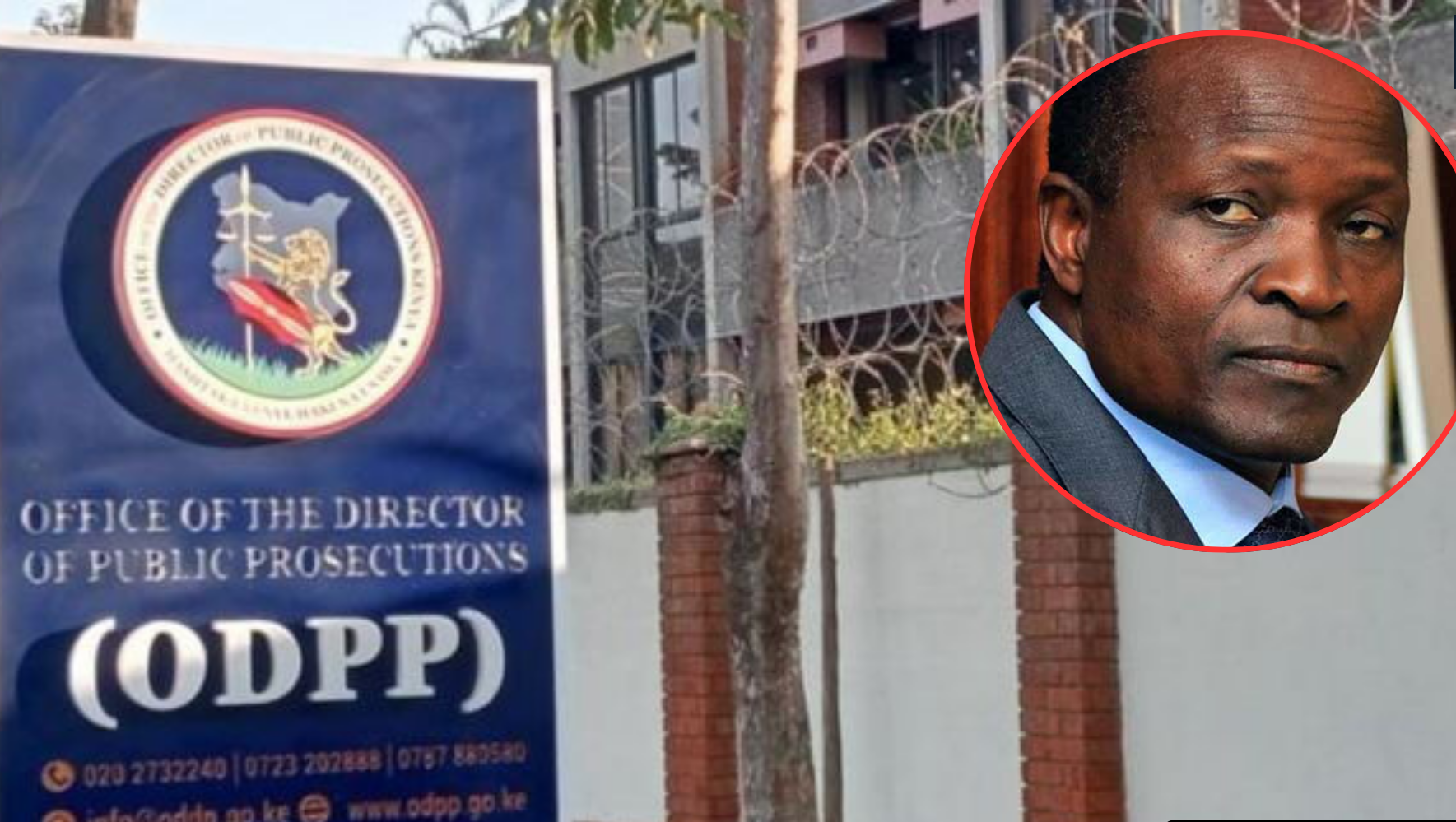
The Anti-Corruption Court has ordered Director of Public Prosecutions (DPP) Renson Ingonga to consult with the Ethics and Anti-Corruption Commission (EACC) before proceeding with plans to withdraw the Ksh505 million graft case against former Migori Governor Okoth Obado.
This directive—issued just weeks after the DPP moved to drop the charges—has intensified scrutiny over Kenya’s anti-graft institutions and their handling of high-profile corruption cases.
Court Gives 14 Days for DPP and EACC to Reach Consensus
In a ruling that could reshape the trajectory of the Obado corruption saga, the court gave Ingonga 14 days to hold formal consultations with EACC before filing any plea withdrawal.
The matter will be mentioned on November 7, 2025, after both offices submit a joint report detailing their agreed position.
The court’s directive comes amid public outcry over the DPP’s September 1 decision to withdraw charges against Obado, claiming a plea bargain deal had been reached—a claim EACC later disputed.
EACC Denies Involvement in Plea Bargain Deal
Soon after the DPP’s announcement, the Ethics and Anti-Corruption Commission released a statement distancing itself from the plea bargain, asserting that no formal agreement had been approved or signed.
EACC officials argued that the DPP acted prematurely, violating procedural requirements under Section 25A of the Anti-Corruption and Economic Crimes Act, which mandates collaboration between the two agencies before any corruption-related plea is concluded.
This disagreement has exposed a deep rift between the EACC and the Office of the DPP (ODPP), raising questions about coordination, transparency, and prosecutorial integrity in major corruption cases.
Four-Year Battle Over Alleged Ksh505 Million Graft
The Okoth Obado graft case, filed in 2020, stems from investigations into alleged embezzlement of over Ksh2 billion from the Migori County Government.
The prosecution alleged that Obado and his associates laundered part of these funds through a web of 13 shell companies, some linked to his children and close allies, to conceal the proceeds of crime.
The EACC investigation further revealed that Obado personally benefited by over Ksh73 million, with portions of the money reportedly used to acquire luxury properties and fund private expenditures.
The former governor faced charges of abuse of office, conspiracy to commit an economic crime, money laundering, and unlawful acquisition of public property—charges he has consistently denied.
DPP Under Fire for Attempting Withdrawal Without EACC’s Consent
Legal analysts and anti-graft activists have criticized DPP Ingonga’s unilateral decision to pursue a plea deal, saying it undermines statutory oversight mechanisms.
By attempting to withdraw the case without EACC’s endorsement, the DPP risks violating the cooperative mandate that underpins Kenya’s anti-corruption framework.
“Any plea bargain in a corruption case must be jointly approved. Acting alone is not only unlawful but also erodes public trust,” said a Nairobi-based constitutional lawyer.
The decision has reignited fears of selective justice, with critics claiming that politically connected figures are often able to negotiate favorable settlements to avoid prosecution.
Public Outrage and Calls for Transparency
The move to drop the Ksh505 million corruption charges against Obado has sparked public outrage and calls for greater judicial vigilance.
Civil society organizations, including Transparency International Kenya, have urged the EACC to stand firm and resist any attempts to undermine due process.
“If this case is withdrawn without accountability, it will send a dangerous message that corruption pays,” Transparency International said in a statement.
The organization emphasized that plea bargains in corruption cases must be transparent, mutually agreed, and serve public interest, not political convenience.
Court’s Directive Signals Renewed Judicial Vigilance
By ordering the DPP and EACC to present a joint consultation report, the Anti-Corruption Court has effectively reasserted judicial oversight over Kenya’s anti-graft prosecutions.
Observers say this move demonstrates the judiciary’s determination to uphold procedural integrity and prevent behind-the-scenes deals that could compromise justice.
Should the EACC decline to endorse the plea bargain, the DPP will have to justify before the court why the case should be withdrawn despite ongoing corruption allegations.
Failure to provide satisfactory reasons could see the court reject the withdrawal request and order the case to proceed to full trial.
A Defining Moment for Kenya’s Anti-Graft System
The Obado case has become a litmus test for the independence and credibility of Kenya’s anti-corruption institutions.
The controversy highlights systemic weaknesses—ranging from political interference to institutional rivalry—that continue to undermine Kenya’s war on graft.
For many Kenyans, the case represents more than one politician’s fate; it reflects whether justice can prevail when power and influence are at stake.
“This is not just about Obado,” said one anti-corruption analyst. “It’s about the integrity of the entire justice chain—from investigation to prosecution to the courtroom.”
As the matter returns to court in November, all eyes will be on the DPP and EACC—whether they will close ranks in the public interest or expose a widening institutional divide that could derail Kenya’s most high-profile graft prosecutions.